Industry News • 7 Jan, 2026 • 3 min read
Autonomous Trucking’s Liability Challenges Grow as Technology Advances
By Andrea Davila
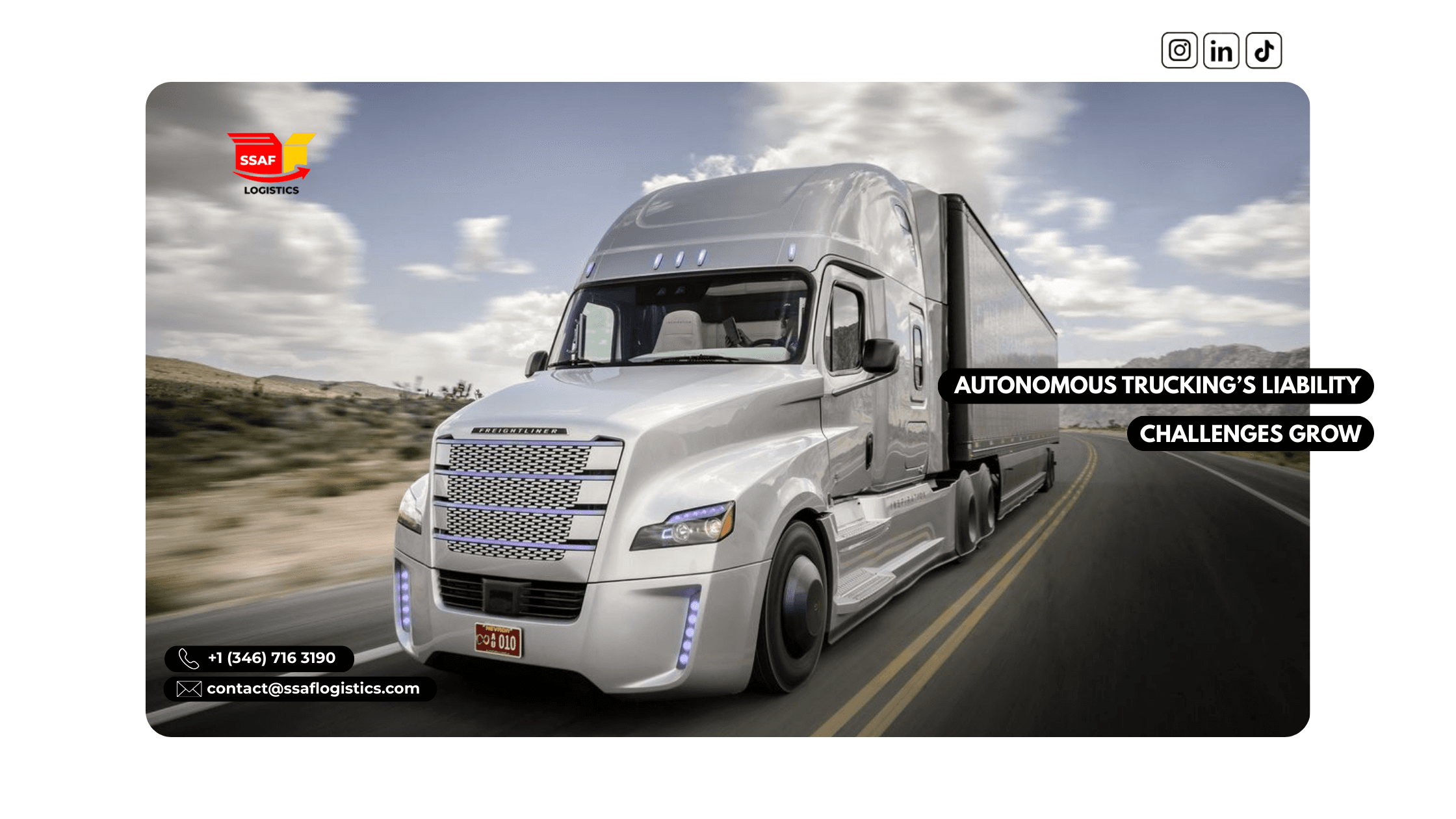
Autonomous trucking technology is progressing faster than the legal and regulatory frameworks meant to oversee it, creating increasing product liability risks for manufacturers, software developers and fleet operators.
Legal exposure focuses on whether a self-driving truck could have been designed more safely at the time it was produced, rather than how it compares to human drivers. Even if autonomous systems reduce overall accidents, they can still face substantial liability claims under current product liability standards.
Traditional vehicle defect claims such as manufacturing errors, flawed designs or inadequate warnings now extend to highly complex autonomous hardware and software. When these systems fail or behave unexpectedly, companies may face significant financial consequences, including large settlements and jury awards.
Recent high-profile court cases involving partially automated vehicles have highlighted the growing willingness of juries to hold technology providers accountable for crashes, even when drivers were expected to supervise the system.
Liability in autonomous trucking is further complicated by the multiple parties involved. Vehicle manufacturers, autonomy software developers and fleet operators may all play a role in how the technology is deployed. When a crash occurs, determining responsibility can be difficult, and legal precedent is still evolving.
Attorneys and safety experts warn that some autonomous systems are being introduced into real-world operations before they are fully prepared to handle the wide range of unpredictable driving scenarios they encounter. As a result, plaintiffs often pursue claims against multiple companies in the supply chain.
Courts do not evaluate autonomous vehicles based on whether they are safer than human drivers. Instead, the key question is whether a safer alternative design was available when the product was released. This standard creates ongoing exposure for developers as technology continues to improve.
Autonomous trucks must navigate countless “edge cases,” including unexpected human behavior and complex road conditions. These scenarios present challenges for automated systems and increase the likelihood of legal disputes following crashes.
Without clear federal standards governing autonomous vehicles, liability issues are likely to be resolved through state courts, potentially leading to inconsistent outcomes. As large jury verdicts against trucking companies become more common, the financial and legal risks facing autonomous trucking developers continue to rise.
Related Blog Posts
![[object Object]](/_next/image?url=https%3A%2F%2Fcdn.sanity.io%2Fimages%2Fj6rggeis%2Fproduction%2F7ad625a0410e359fd61ef0773f77e1800b510c03-2240x1260.png&w=3840&q=75)
![[object Object]](/_next/image?url=https%3A%2F%2Fcdn.sanity.io%2Fimages%2Fj6rggeis%2Fproduction%2F2f1f139cc766e1ade60d1668908d10f6406721ff-2240x1260.png&w=3840&q=75)
![[object Object]](/_next/image?url=https%3A%2F%2Fcdn.sanity.io%2Fimages%2Fj6rggeis%2Fproduction%2F4d41da7b56424c35af0d33fe2194588ac02959a3-2240x1260.png&w=3840&q=75)
![[object Object]](/_next/image?url=https%3A%2F%2Fcdn.sanity.io%2Fimages%2Fj6rggeis%2Fproduction%2F66a515608ad34ea382b2934ebe15810e650d41b6-2240x1260.png&w=3840&q=75)
![[object Object]](/_next/image?url=https%3A%2F%2Fcdn.sanity.io%2Fimages%2Fj6rggeis%2Fproduction%2Ffcab86688e70f3357cd15916f07e8bf8f896f1dd-2240x1260.png&w=3840&q=75)