By Andrea Davila
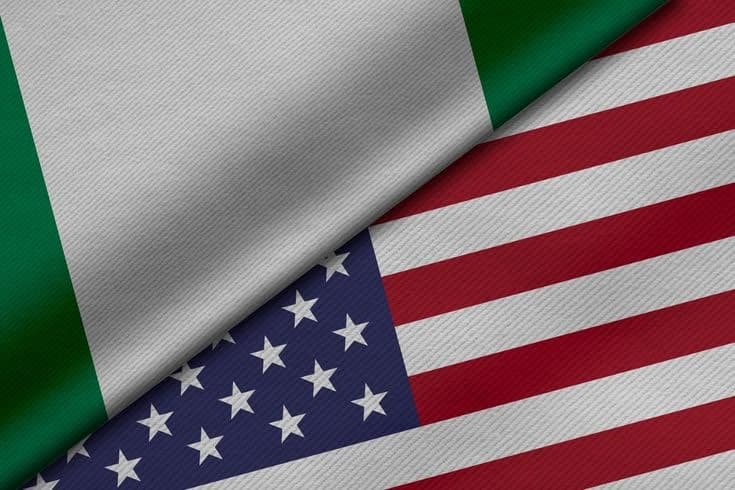
Houston’s Gulf Coast is a key departure point for shipping from Texas to Nigeria. Whether you’re shipping personal effects, commercial goods, or industrial equipment, SSAF Logistics provides efficient, end-to-end shipping solutions from our Houston warehouse directly to your door in Lagos and across Nigeria.
Texas to Nigeria: A Strategic Shipping Advantage
The Port of Houston, located along the Gulf of Mexico, provides access to transatlantic shipping routes to West Africa. Shipping from Houston to Lagos typically takes around 30–45 days, while shipments departing from northern U.S. ports or requiring inland transportation to a port may add a week or more to the overall transit time.
Past location benefits, Texas, particularly Houston, is home to one of the largest Nigerian-American communities in the United States. This strong connection has helped foster a network of Nigerian-owned businesses, importers, and exporters that support ongoing trade between the two regions. For companies shipping to Nigeria, Houston’s established commercial ties create opportunities for consistent freight services, flexible shipping options, and competitive rates on the Houston–Lagos route.
Texas’s strong industrial base makes it a key source of products for Nigerian buyers, particularly in the oil and gas, energy, construction, and manufacturing sectors. SSAF Logistics helps businesses source goods from Texas suppliers and coordinate the process of consolidating, packaging, and shipping multiple items to Nigeria in one streamlined shipment.
Key Trade Facts
- Over 60% of U.S.–Nigeria ocean freight reportedly departs from Houston.
- Texas’s Nigerian diaspora generates an estimated $200M+ in annual shipping volume.
- U.S.–Nigeria goods and services trade reached approximately $14.7 billion in 2025.
Shipping Methods: Sea Freight vs. Air Freight from Texas
Selecting the best shipping method from Texas to Nigeria depends on three key factors: transit time, budget, and cargo type.
Ocean Economy
LCL Sea Freight — Get a quote
Less than Container Load (LCL) is a cost-effective option for shipments under 15 CBM. Your cargo shares container space with other shipments, so you pay only for the space you use.
- Transit: 30–45 days port-to-port
- Best for: Barrels, personal effects, and small commercial orders
- Consolidation: At SSAF's Houston warehouse
- Door-to-door: 6–8 weeks, including Lagos customs clearance
Ocean Volume
FCL Sea Freight
Pricing: Per container — Get a quote
Full Container Load (FCL) provides exclusive use of a 20ft or 40ft container, making it ideal for large shipments that require dedicated space.
- Transit: 28–40 days port-to-port
- Best for: Vehicles, heavy equipment, machinery, and large commercial orders
- Cost advantage: Lower cost per unit for shipments exceeding 15 CBM
Express Air
Air Freight — Get a quote
Air freight is ideal for time-sensitive shipments, with service from Houston (IAH) to Lagos.
- Transit: 3–7 business days
- Best for: Electronics, urgent parts, and other time-sensitive cargo
- Cost: Contact us
- Service: Door-to-door, including Lagos customs clearance
Sea Freight from Texas to Nigeria (LCL and FCL)
Ocean freight is a key option for shipping from Texas to Nigeria. Cargo moving through Houston can reach Lagos via container services serving Apapa and Tin Can Island ports. LCL shipments are consolidated with other cargo, while FCL shipments use dedicated containers and can be scheduled for the next available vessel. SSAF offers cargo consolidation and storage at its Houston warehouse.
Shipping from Houston to Lagos typically takes 28–45 days port-to-port, depending on the shipping method and vessel routing. FCL shipments may arrive sooner, while LCL shipments can take longer due to consolidation and transshipment stops.
Port congestion at Apapa can cause delays, making advance customs preparation essential. SSAF Logistics coordinates customs documentation ahead of vessel arrival to help streamline the clearance process and reduce avoidable delays once cargo reaches Lagos.
Air Freight from Texas to Nigeria
When speed matters, air freight offers a faster way to ship from Texas to Nigeria. Cargo departing from Houston (IAH) can reach Lagos in 3–7 business days airport-to-airport, with customs clearance typically requiring an additional 2–5 days, depending on documentation and processing.
Air freight is ideal for time-sensitive shipments from Texas to Nigeria, offering faster delivery than ocean freight. Cargo can travel from Houston to Lagos, with door-to-door service and customs clearance available.
- Best for: Urgent shipments under 200 kg, including replacement parts, pharmaceutical samples, and high-value electronics.
- Transit: Typically 3–7 business days airport-to-airport, plus customs clearance.
- Advantage: SSAF Logistics IATA certification supports access to airline cargo services and booking options during peak periods.
Barrel Shipping from Houston to Nigeria
Here’s how the process works: Drop off your barrels at our Houston warehouse or arrange pickup anywhere in Greater Houston. We label, seal, and register each barrel for our next LCL shipment to Lagos, where it travels alongside other cargo in a shared container. Upon arrival at Apapa or Tin Can Island, our Lagos team coordinates customs clearance and delivery to the recipient’s door. Barrels can be shipped alongside personal effects or small commercial orders through the same LCL consolidation.
How Long Does Shipping from Texas to Nigeria Take?
Transit times for shipping from Texas to Nigeria depend on the freight method, shipment type, destination, routing, and customs processing.
The following are general estimates:
1. Pickup & Receipt | 1–3 days
2. Consolidation | 3–7 days
3. Ocean Transit Varies by routing
4. Port Arrival & Handling | 1–2 days
5. Customs Clearance Varies by shipment
6. Final Delivery | 1–5 days
Nigerian Customs & Documentation Requirements
Nigeria’s customs procedures continue to evolve, with 2026 NICIS II updatesplacing greater emphasis on digital processing and accurate electronic documentation. When shipping from Texas to Nigeria, working with a freight forwarder familiar with Nigerian Customs Service requirements can help minimize delays and support a smoother clearance process.
Common documents may include:
- Commercial Invoice: Lists the seller, buyer, goods, prices, and total shipment value for customs assessment.
- Packing List: Details shipment contents, quantities, weights, and dimensions.
- Bill of Lading / Airway Bill: Transport document required for cargo release at destination.
- Form M: Registers applicable commercial imports through a CBN-authorized bank.
- PAAR: Provides customs assessment details before cargo arrives in Nigeria.
- SONCAP Certificate: Required for certain regulated products, including electronics and machinery.
- NAFDAC Approval: Required for regulated food, cosmetics, pharmaceuticals, and medical devices.
- HS Code Classification: Identifies each product’s customs duty rate and import restrictions.
Items You Can and Cannot Ship to Nigeria
Nigeria’s import regulations restrict or prohibit certain goods, with some requiring special permits. Check the 2026 Nigerian Customs Service import prohibition list before shipping to avoid delays, extra costs, or rejected cargo.
- Used Mattresses: Prohibited from import.
- Used Air Conditioners: Units older than 10 years are prohibited.
- Used Refrigerators & Freezers: Used units are prohibited regardless of age.
- Counterfeit Goods & Weapons: Prohibited and may carry criminal penalties.
- Pharmaceuticals: Require NAFDAC registration and an import permit.
- Electronics & Machinery: May require SONCAP certification.
- Food & Beverages: Require applicable NAFDAC approvals and compliant labelling.
- Vehicles: Import duties and eligibility depend on current regulations and vehicle specifications; verify requirements before shipping.
Finding the Right Freight Forwarder for Nigeria
Choosing the right freight forwarder for shipping from Texas to Nigeria can simplify the process, control costs, and help prevent delays. Look for a provider with experience in Nigerian customs clearance, transparent pricing, reliable transit estimates, and end-to-end shipment coordination.
- FMC License (NVOCC): Verify licensing and applicable financial protections.
- IATA Certification: Look for air freight expertise and airline booking access. SSAF Logistics is IATA-certified.
- Houston Warehouse: Ensure cargo can be received, inspected, and consolidated. SSAF’s warehouse is in Houston, TX.
- Lagos Team: Confirm local customs clearance support at Apapa and Tin Can Island.
- Transparent Pricing: Request an itemized quote covering freight, handling, clearance, duties, and delivery.
- Shipment Tracking: Choose a provider offering tracking from warehouse receipt through delivery.
How to Save on Shipping from Texas to Nigeria
Choose Ocean Freight
Sea freight is generally more affordable than air freight for non-urgent shipments.
Ship During Q1–Q2
January through June may offer opportunities to avoid the October–December peak season, when freight rates can rise by 15–25% and transit times may increase due to congestion.
Use LCL for Smaller Shipments
For cargo under 15 CBM, less-than-container-load (LCL) shipping may cost less than booking a full container.
Declare Goods Accurately
Correct product descriptions and declared values help prevent customs penalties and clearance delays.
Consolidate Shipments
Combine multiple orders at SSAF Logistics’ Houston warehouse to help reduce duplicate handling and documentation charges.
Related Blog Posts